

Control Valve
Control valves are important components in industrial processes that help regulate the flow of fluid, gas, or steam. They are designed to maintain precise control over the pressure, temperature, flow rate, and level of fluids passing through the system. They are typically controlled by an actuator, which is an electromechanical device that alters the valve's position, opening or closing it in response to a signal from a controller.
Control valves are used in a wide variety of industries, including oil and gas, chemical, power generation, water treatment, and many others. They are critical for ensuring the safe and efficient operation of these processes, as well as protecting equipment and personnel from damage or harm.
The benefits of control valves are many. They help to maintain consistent process conditions, which can improve product quality and reduce waste. They also help to increase safety by preventing overpressure, reducing the risk of leaks or explosions, and preventing equipment damage.
There are many different types of control valves, each with its own unique characteristics and applications. Some of the most common types include globe valves, butterfly valves, ball valves, and diaphragm valves. Each of these valves has its own set of advantages and disadvantages, depending on the specific process requirements.
In addition to their primary function of regulation, control valves can also provide valuable feedback to the control system about the status of the process. This feedback can be used to fine-tune the control loop and ensure that the process is operating at maximum efficiency.
Overall, control valves are an essential part of modern industry, helping to ensure safe, efficient, and reliable operations. As technology continues to evolve, so too will the capabilities of control valves, allowing for even greater precision and control in industrial processes.
Control Valve Products
-
![Single Seat Control Valve]() Single Seat Control ValveSingle seat control valve is a control valve with the advantages of tight closure, small leakage.read more
Single Seat Control ValveSingle seat control valve is a control valve with the advantages of tight closure, small leakage.read more -
![Steam Bypass Valve]() Steam Bypass ValveSteam bypass valve is A heat exchange device using superheated steam to heat reheated steam is used for regulating the temperature of reheated steam.read more
Steam Bypass ValveSteam bypass valve is A heat exchange device using superheated steam to heat reheated steam is used for regulating the temperature of reheated steam.read more -
![Pilot Operated Pressure Control Valve]() Pilot Operated Pressure Control ValvePilot operated pressure control valve by the pilot control valve, pressure sensor and electronic control circuit composition, these parts are integrated in one.read more
Pilot Operated Pressure Control ValvePilot operated pressure control valve by the pilot control valve, pressure sensor and electronic control circuit composition, these parts are integrated in one.read more -
![High Temperature Pressure Reducing Valve]() High Temperature Pressure Reducing ValveHigh temperature pressure reducing valve is a valve that reduces the inlet pressure to a certain outlet pressure by adjusting, and relies on the energy of the medium itself to keep the outlet...read more
High Temperature Pressure Reducing ValveHigh temperature pressure reducing valve is a valve that reduces the inlet pressure to a certain outlet pressure by adjusting, and relies on the energy of the medium itself to keep the outlet...read more -
![Labyrinth Trim Control Valve]() Labyrinth Trim Control ValveAdopt and apply the technology of velocity control principle according to hydrodynamic mechanismread more
Labyrinth Trim Control ValveAdopt and apply the technology of velocity control principle according to hydrodynamic mechanismread more
The problems of cavitation, flash scour, vibration and noise are eliminated by multi-stage... -
![Pilot Operated Pressure Reducing Valve]() Pilot Operated Pressure Reducing ValvePilot operated pressure reducing valve is a direct acting film spring pressure reducing valve, which is designed and manufactured on the basis of absorbing the advantages of similar foreign products.read more
Pilot Operated Pressure Reducing ValvePilot operated pressure reducing valve is a direct acting film spring pressure reducing valve, which is designed and manufactured on the basis of absorbing the advantages of similar foreign products.read more -
![Cage Type Control Valve]() Cage Type Control ValveThe cage type control valve is a pressure balance type regulating valve. The inner parts of the valve are sleeve oriented pilot spool.read more
Cage Type Control ValveThe cage type control valve is a pressure balance type regulating valve. The inner parts of the valve are sleeve oriented pilot spool.read more -
![Pressure Reducing Valve]() Pressure Reducing ValveThe pressure reducing valve is a valve that reduces the inlet pressure to a certain outlet pressure by adjusting, and relies on the energy of the medium itself to keep the outlet pressure stable...read more
Pressure Reducing ValveThe pressure reducing valve is a valve that reduces the inlet pressure to a certain outlet pressure by adjusting, and relies on the energy of the medium itself to keep the outlet pressure stable...read more -
![High Temperature Pressure Relief Valve]() High Temperature Pressure Relief ValveHigh temperature pressure relief valve is a valve that reduces the inlet pressure to a certain outlet pressure by adjusting, and relies on the energy of the medium itself to keep the outlet...read more
High Temperature Pressure Relief ValveHigh temperature pressure relief valve is a valve that reduces the inlet pressure to a certain outlet pressure by adjusting, and relies on the energy of the medium itself to keep the outlet...read more


who are we

why choose our products
Hangzhou Meiya generation equipment Co., Ltd. is a national high-tech enterprise, established in 1998, specializing in the research and development, manufacturing and application of energy-saving products in steam thermal system, providing the best solution for energy-saving and environmental protection in steam thermal system. The main products are desuperheating device, control valve, steam turbine bypass valve, control valve under adverse conditions, steam ejector, condensate automatic recovery device (unit), exhaust steam recovery device, automatic control system, etc. The company has a perfect quality management system, has passed ISO9001 quality management certification. In 2010, it obtained the special equipment manufacturing license of the people's Republic of China issued by the General Administration of quality supervision, inspection and Quarantine of the people's Republic of China, including pressure regulating valve (grade A1), temperature and pressure reducing device (Grade B), ball valve, butterfly valve (grade B1), gate valve, globe valve and check valve (grade A2).
Control valve advantage
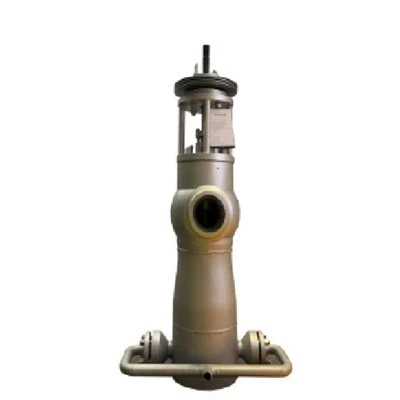
Precision control:
Control valves offer an unparalleled level of precision control, enabling operators to adjust the flow, pressure, and temperature of fluids with pinpoint accuracy. This level of control is essential for maintaining consistent product quality, improving efficiency and reducing waste.
Flexibility:
Control valves are highly versatile, offering a wide range of configurations and sizes to suit different applications. They can be used to control a variety of fluids, gases, and steam, making them ideal for a range of industries, from chemical processing to oil and gas.
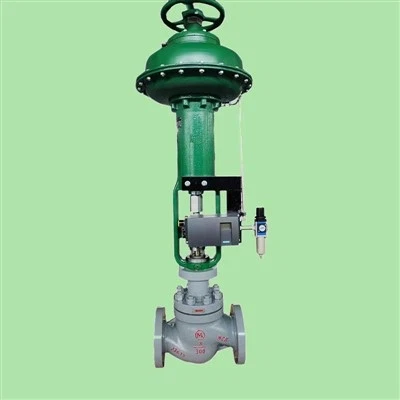
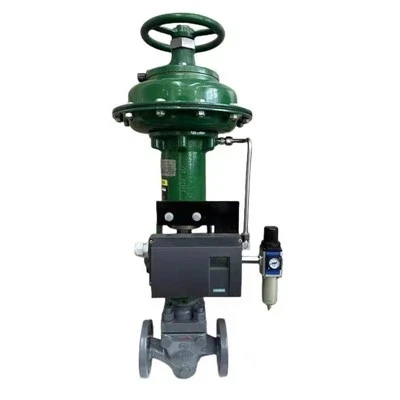
Cost-effectiveness:
Control valves are a cost-effective solution for many industrial processes, reducing waste and optimizing resources by minimizing the need for manual intervention and controlling system performance automatically.
Durability:
Designed to withstand harsh environmental conditions and extreme operating temperatures, control valves are built to last, providing long-term reliability and proven performance in even the harshest industrial environments.
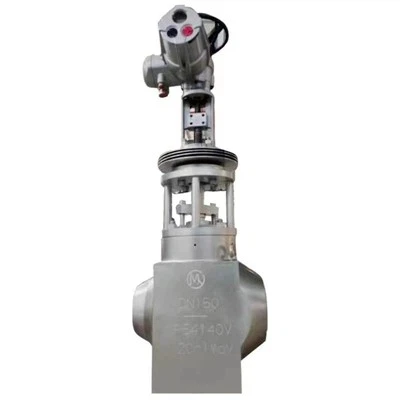
What are features of Control Valve?
Control valves are an essential component of many industrial processes. They are designed to regulate the flow of fluids or gases in pipelines, helping to control pressure, temperature, and other critical parameters. These valves come with a range of features that enhance their reliability and performance, including robust construction, superior flow control, and precise monitoring capabilities.
They can operate in a wide range of environments, from high-pressure and high-temperature applications to corrosive and abrasive environments. Other features include easy installation, low maintenance requirements, and compatibility with a wide range of control systems and protocols. Overall, control valves are an indispensable tool for enhancing efficiency, improving safety, and reducing operating costs in a wide range of industries.
FAQ
Q: What is the function of a control valve?
Q: Why do we need a control valve?
Q: What are the three types of control valves?
Q: How control valves are working?
Q: Where are control valves used?
Q: What is the difference between control valve and flow control valve?
Q: What are the three primary functions of a control valve?
Q: Should control valves be open?
Q: What is the most common type of control valve?
Q: What type of valves are control valves?
Q: What are the disadvantages of control valves?
Q: What happens when control valve fails?
Q: What are the two main types of control valves?
Q: What is the most reliable control valve?
Q: Who makes control valves?
Q: How do I choose a control valve?
Q: How do you calibrate a control valve?
Q: How many control valves are there?
Q: Is a control valve a regulator?
Q: What is a control valve also called?
Q: Is control valve an actuator?
Q: What is PSV and PRV?
We're professional control valve manufacturers and suppliers in China, specialized in providing the best custom service. We warmly welcome you to buy high quality control valve at competitive price from our factory.